
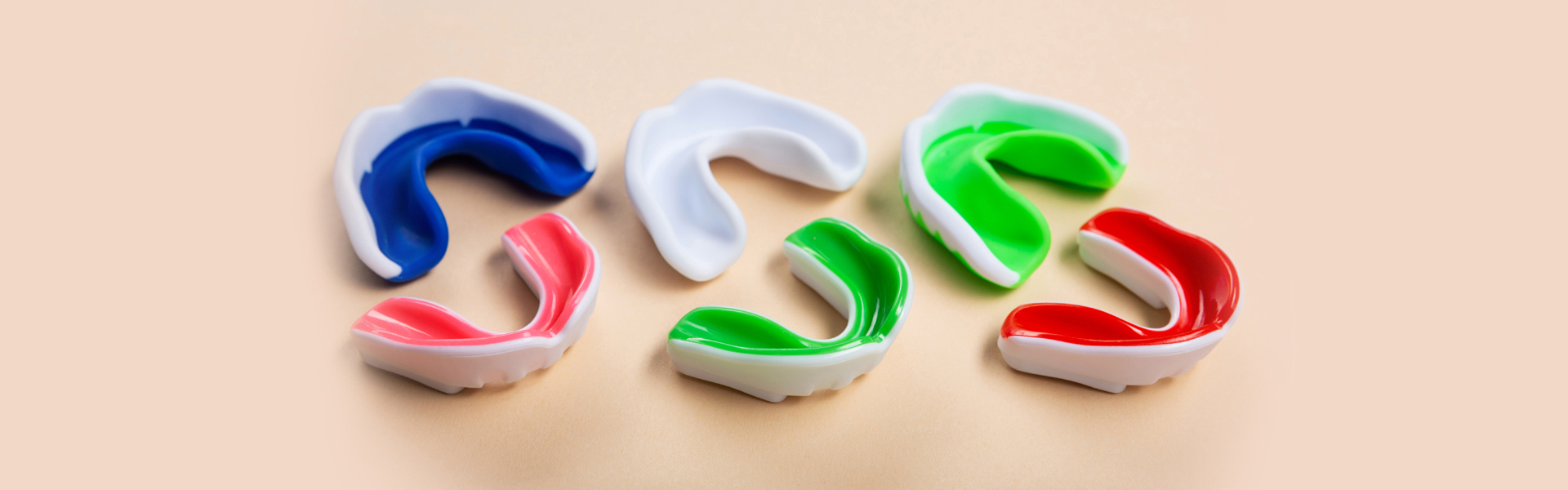
Common Questions & Myths About Mouth Guards (FAQ)
Mouth guards do more than sit in a sports bag. They protect teeth, support your jaw, and can ease strain on muscles and joints. Yet many patients feel unsure about when they need one, which type is best, and how to care for it.
This FAQ walks through the most common questions we hear in the operatory about mouth guards in Seattle, Washington. You will see what myth is, what is fact, and when it is time to talk with your dentist about a custom guard that fits your bite and your lifestyle.
Do I Need a Mouth Guard Only If I Play Contact Sports?
Contact sports are a big reason to wear a mouth guard. Football, hockey, basketball, and martial arts bring a high risk of blows to the face. A good guard acts as a shock absorber. It spreads out the force so teeth, lips, and jaws have more protection.
That said, sports are not the only reason. You may benefit from a mouth guard if you:
- Grind or clench at night
- Wake with sore jaw muscles
- Have restorations such as crowns, veneers, or implants
- Play non-contact sports with fall risk, like skating or biking
Think of a guard as a seat belt for your teeth. You never plan for an emergency, but wearing one shows you value your smile and long-term oral health.
Can a Mouth Guard Help With Teeth Grinding / Jaw Pain?
Yes. Night guards are a common tool for patients who grind or clench, a condition often called bruxism. They do not “cure” grinding, but they limit the damage it causes.
A custom night guard:
- Creates a smoother surface between your upper and lower teeth
- Reduces direct tooth-to-tooth wear
- Helps spread forces across the jaw
- May ease morning headaches and muscle soreness
If you search for teeth whitening near me, you care about how your smile looks. Grinding can chip edges, flatten biting surfaces, and stress existing dental work. A well-designed night guard helps protect that investment.
Keep in mind, jaw pain can come from several sources. Arthritis, past injury, or joint disorders can all play a role. Your dentist will check your bite, muscles, and joints, then decide if a guard fits into a broader treatment plan.
Are Custom Mouth Guards Worth the Cost Compared to Store-Bought Ones?
This is one of the most common questions we hear. Store-bought guards come in two main forms:
- Stock guards (out of the package, no molding)
- “Boil and bite” guards that soften in hot water, then mold around teeth
These can help in a pinch, but they have limits. Many patients find them bulky, loose, or uneven. That can tempt you to stop wearing them, which defeats the purpose.
When your dentist creates a custom mouth guard, they start with a 3D scan or impression of your teeth to build a guard that fits your bite perfectly. It offers:
- A snug fit that stays in place
- Thinner, smoother edges for comfort
- Better contact with the biting surfaces
- Stronger material that tends to last longer
When people decide to upgrade, they often start with an online search for a dentist near me who offers mouth guards. The upfront cost is higher than a drugstore option, yet the protection and comfort often pay off over time, especially if you grind, play regular sports, or have had past dental work.
Can Children or People With Braces Use a Mouth Guard?
Yes. Kids and teens are prime candidates for mouth guards, especially if they play sports. Their teeth and jaws still grow, so guards may need updates more often, yet the protection is worth it. Pediatric guards can be made in the office to match a smaller mouth and a changing bite.
For patients with braces, protection is vital. A blow to the face can press brackets and wires into the lips and cheeks. A guard built for braces leaves room for the hardware and lets teeth keep moving as the orthodontist planned. Over-the-counter guards often do not fit well over brackets and can slow down treatment.
If you receive care from a Downtown Seattle dentist, that office can often coordinate with your orthodontist. Together, they can design a guard that shields both your smile and your orthodontic work.
How Long Does a Mouth Guard Last and How Often Should I Replace It?
The life of a mouth guard depends on how hard you are on it. A patient who grinds at night with strong jaw muscles will wear through material faster than a weekend athlete. In general:
- Sports guards may last one to three seasons
- Night guards may last one to five years
You may need a new guard sooner if you notice:
- Cracks, tears, or deep bite marks
- Edges that feel rough or sharp
- Loose fit or a guard that slips out
- Changes in your bite or new dental work
Good care helps stretch the life of a guard. Rinse it after use. Brush it with a soft brush and non-abrasive cleanser. Let it air dry, then store it in a ventilated case away from heat. Avoid hot water, which can warp the shape.
Does Wearing a Mouth Guard Affect Breathing or Speech?
A well-fitted mouth guard should sit over the teeth and gums without blocking airflow. You should be able to breathe through your mouth and nose without strain. If you feel out of breath with a guard in place, the fit may be off or the material too bulky.
Speech often feels different at first. You may lisp or stumble over words for a short time. Most patients adapt after some practice at home. Reading out loud for a few minutes each day while you wear the guard can speed that process.
If you cannot breathe comfortably or still struggle with speech after an adjustment period, bring the guard to your dentist. Small refinements in thickness or edge shape can make a big difference in daily use.
Final Thoughts
Mouth guards are small devices with a big job. They guard teeth during sports, protect enamel from grinding, and support the jaw over many years. The right fit depends on your age, bite, habits, and health history, so an in-person exam matters more than guesses from a shelf.
If you have questions about sports injuries, grinding, or whether your child needs a guard, schedule a visit and bring your current appliance, if you have one. A short conversation with the team at Seattle Sound Dental can help you understand your options, see what fits your goals, and choose a guard that you will feel comfortable wearing when it matters most.