
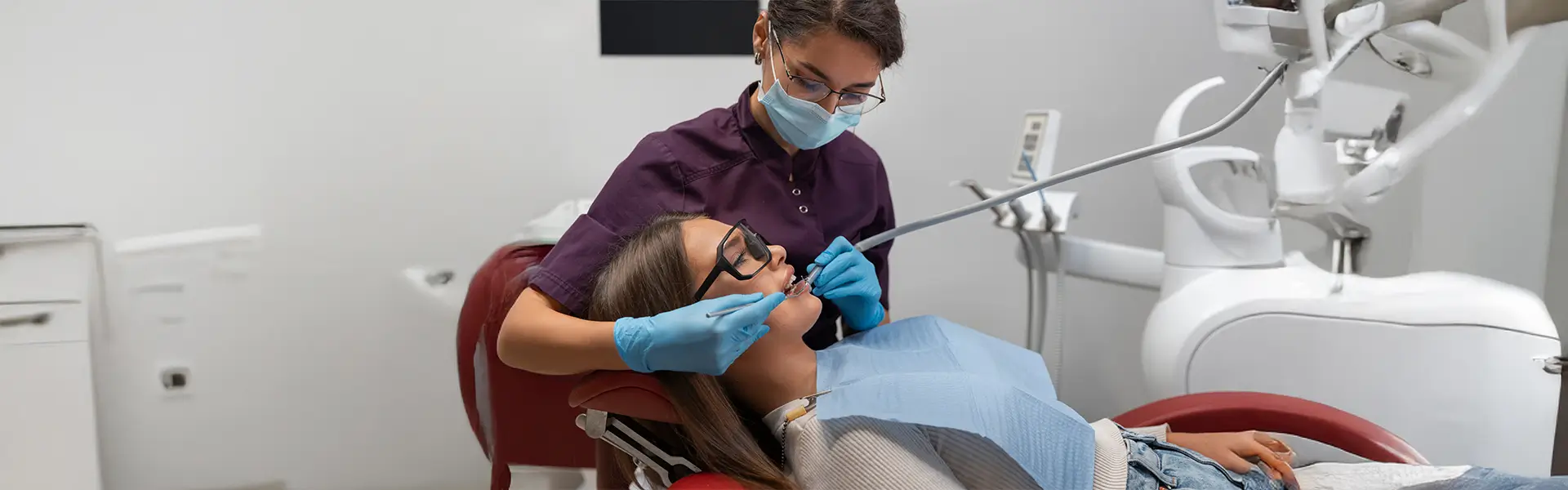
How Quickly Can Dental Bonding Improve Your Smile in Seattle, WA?
A small chip along a front tooth or a worn edge near the smile line can sometimes make teeth look uneven, even when the tooth itself is healthy. Dental bonding is often used in these situations because it allows the dentist to reshape and rebuild small areas without removing significant tooth structure. The procedure uses a tooth-colored resin that is carefully matched to nearby enamel and shaped directly on the tooth during the visit.
For many patients, bonding is considered when the concern is cosmetic rather than structural. A dentist will usually examine the enamel, bite alignment, and depth of the damaged area before deciding whether bonding is likely to remain durable over time. At Seattle Sound Dental, treatment recommendations are based on the condition of the tooth and the long-term function of the restoration, not only the appearance of the smile.
Why Is Dental Bonding Considered a Fast Cosmetic Dental Treatment?
Among treatments used in cosmetic dentistry in Seattle, WA, dental bonding is often selected for small visible defects because it can usually be completed during one appointment. The resin material is placed directly on the tooth, carefully shaped, hardened with a curing light, and polished smooth.
Unlike veneers or crowns, bonding typically does not require impressions, temporary restorations, or work in an outside laboratory. In many cases, very little enamel preparation is needed, which helps preserve more of the natural tooth surface.
A patient visiting a downtown Seattle dentist’s office for a chipped edge or uneven front tooth may be able to complete treatment in less than an hour per tooth, depending on the size of the repair. The appointment generally includes examining the tooth, selecting a shade that matches the surrounding enamel, shaping the resin, and checking the bite afterward to reduce excess pressure on the bonded area.
Although bonding can often be completed quickly, the condition of the tooth still matters. Teeth with deeper fractures, untreated decay, or heavy grinding pressure may require a different restorative approach to improve long-term durability.
What Smile Problems Can Dental Bonding Fix Right Away?
Bonding is often used for small cosmetic concerns when the tooth is still healthy and strong underneath. The material can be shaped in thin layers to smooth rough edges, rebuild small chipped corners, or reduce the appearance of uneven spacing.
One of the most common reasons patients ask about bonding is to repair a chipped tooth after minor trauma or everyday wear. Small chips along the edge of a tooth may catch light differently when speaking or smiling, making the area more noticeable. Bonding may also help address:
- Minor gaps between teeth
- Small surface cracks or rough edges
- Uneven tooth length
- Areas of discoloration that do not respond well to whitening
- Mild enamel wear from grinding or aging
Many patients choose tooth-colored bonding because the resin can blend closely with surrounding enamel instead of standing out against nearby teeth. Once polished, the bonded surface is designed to feel smooth and natural against the lips and tongue.
A clinical examination is still important before cosmetic treatment begins. Some teeth that appear chipped on the surface may have more serious structural damage or decay beneath the surface. In those situations, the dentist may recommend restorative treatment before cosmetic reshaping is considered. Teeth with advanced infection or severe fractures sometimes require more extensive procedures, including tooth extraction, when the tooth cannot be restored predictably.
Patients who search online for a dentist near me sometimes ask whether bonding can correct a visible flaw without requiring extensive treatment. If the enamel and surrounding structure remain healthy, bonding may provide a conservative option for reshaping small defects during a single appointment, rather than requiring more aggressive treatment.
How Long Do Dental Bonding Results Last?
How long dental bonding lasts depends on factors such as tooth location, chewing forces, oral care routines, and habits like teeth grinding or clenching. Bonding on front teeth that experience lighter chewing pressure may remain stable longer than restorations exposed to heavier forces.
Many bonded teeth continue functioning well for several years before touch-ups or replacement become necessary. Habits such as chewing ice, nail biting, or opening packaging with teeth can place additional stress on the resin and increase the risk of chipping.
The material can also develop surface staining gradually from coffee, tea, red wine, or tobacco use. Regular dental cleanings help remove buildup around the bonded area and allow the dentist to evaluate early signs of wear before they become larger problems.
During preventive visits with a dentist in 98101, some patients are advised to wear a nightguard if grinding pressure is affecting the bonded teeth. Reducing the frequency of forceful contact with the restoration may help extend its durability.
One advantage of bonding is that small worn areas or chips can often be corrected without replacing the entire bonded section. Follow-up care usually depends on how the tooth functions over time and whether the bonded surface remains stable during biting and chewing.
A Conservative Option for Small Smile Repairs
Not every chipped or uneven tooth requires extensive cosmetic treatment. When the tooth remains healthy and structurally sound, bonding can reshape small defects while preserving most of the natural enamel. Because the resin is placed and polished during the appointment, many patients notice the change immediately after treatment.
At Seattle Sound Dental, bonding treatment is carefully planned based on the condition of the tooth, bite pressure, and the restoration’s long-term function. A dental examination can help determine whether bonding is an appropriate option for correcting small cosmetic concerns while maintaining the health and strength of the natural tooth.
FAQs
Most bonding procedures take about 30 to 60 minutes per tooth. Larger repairs or treatment involving several teeth may require additional appointment time.
Bonding is usually comfortable because minimal enamel removal is often needed. A local anesthetic may only be necessary if the tooth has decay or more serious structural damage.
Yes. The resin is chosen to closely match the color and appearance of surrounding teeth for a more natural-looking result.
No. Bonding materials can wear down or stain gradually over time and may eventually require maintenance or replacement.
Yes. Coffee, tea, wine, tobacco, and similar substances may stain the bonding material over time. Routine cleanings and good home care may help reduce discoloration.
Author’s Bio

Dr. Nick Tanner
Dental bonding may be used to repair minor chips, cracks, or gaps. Composite material is selected to closely match the natural tooth shade. If you’re looking for a dentist near me, our office provides cosmetic enhancements following clinical evaluation.