
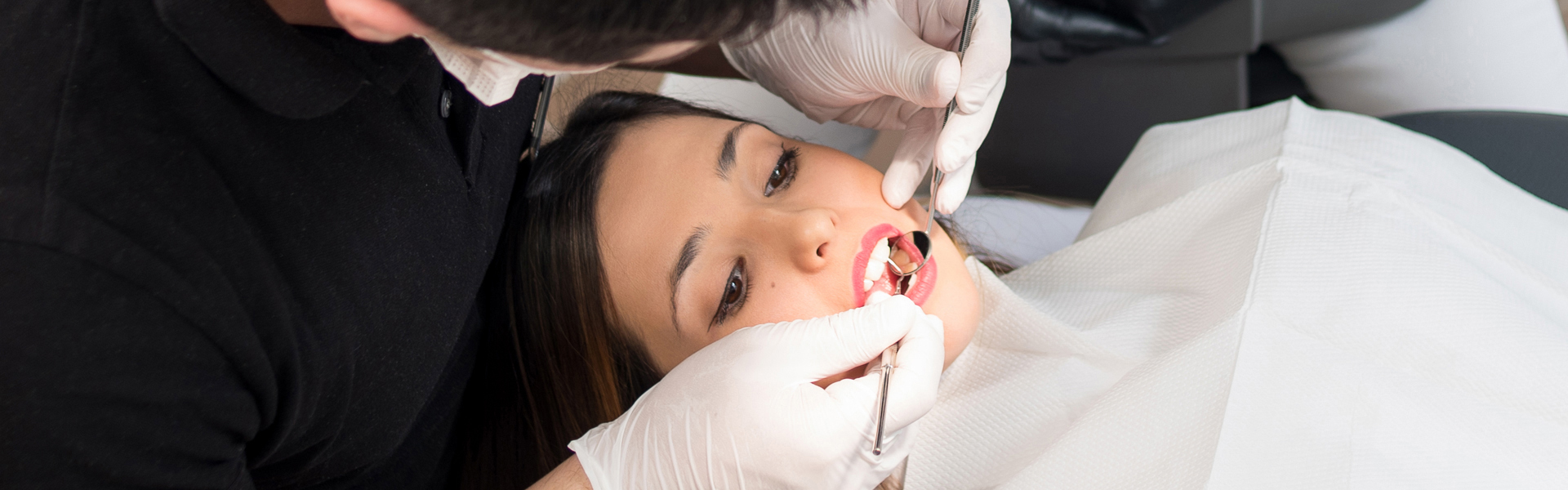
Top Questions to Ask Your Seattle Dentist Before Root Canal Therapy
Consultation begins with careful evaluation of pulp infection and the surrounding bone. Bacteria can enter through untreated decay, enamel cracks, or a leaking restoration and travel into the nerve tissue inside the tooth. Because the pulp is enclosed within rigid dentin walls, inflammation raises internal pressure and restricts blood flow. As circulation decreases, the tissue begins to break down. Once bacteria extend beyond the root tip, changes in the supporting bone may appear on radiographs.
For patients considering a root canal procedure in Seattle, the focus remains on preserving natural tooth structure while stopping infection from spreading. Treatment requires removing infected pulp tissue, irrigating the canal space to lower bacterial presence, and sealing the internal chamber to limit reinfection. Before moving forward, bone support, remaining dentin thickness, and the overall extent of infection must be thoroughly assessed to determine whether the tooth can be predictably stabilized.
Specialist Referral & Dentist Experience
Radiographs are analyzed to measure root length, canal curvature, and bone levels around the tooth. Narrow or curved canals require controlled instrumentation so that dentin walls are not weakened. If calcification blocks access to the canal or if previous treatment has failed, referral to an endodontist may be indicated.
Someone searching for a dentist near me may focus on convenience, yet technical ability affects infection control. Successful therapy depends on locating all canals, removing necrotic tissue completely, and shaping the internal space so that the irrigating solution contacts the entire canal surface.
Molars often contain additional canals concealed by secondary dentin. Angled imaging and magnification help evaluate those areas and confirm canal pathways. A Downtown Seattle dentist may use digital measurement tools to determine working length and avoid pushing filling material beyond the root tip, which can irritate surrounding bone. Referral decisions are based on anatomy, bone condition, and restorative prognosis.
Understanding Your Diagnosis
Diagnosis relies on objective testing rather than symptoms alone. Cold testing evaluates nerve vitality. Lingering pain after stimulation suggests irreversible inflammation. Lack of response may indicate pulp necrosis. Tenderness when biting signals inflammation in the ligament that anchors the root to the bone. Swelling or drainage suggests bacterial extension into adjacent tissue.
Discussion during evaluation should clarify:
- An entry source of bacteria, such as deep decay or a fracture
- Status of pulp circulation and tissue viability
- Evidence of bone change near the apex
- Remaining enamel and dentin are available for stabilization
If decay removal leaves thin walls, fracture risk increases once internal tissue is removed. In cases where cracks extend vertically below the gumline or bone support is already reduced, extraction may be considered because predictable healing becomes less likely. Treatment is recommended only when pulp tissue cannot recover, and infection poses a risk to the surrounding bone.
Success, Risks & Long-Term Outlook
Root canal therapy eliminates infection but does not restore lost tooth strength. After pulp removal, canals are shaped with controlled instruments and irrigated to reduce bacterial presence. The cleaned space is then filled with sealing material to block microbial re-entry. A temporary restoration protects the opening until definitive coverage stabilizes the tooth.
Local anesthesia for root canal treatment interrupts nerve transmission so instrumentation can proceed without sharp sensation. Inflamed tissue may require supplemental anesthesia because acidic conditions decrease anesthetic effectiveness. If numbness remains incomplete, dosage and delivery technique are reassessed before continuing.
Questions about how long root canal takes depend on the number, curvature, and presence of drainage. A single straight canal may be completed in one visit. Multi-rooted teeth with active infection may require staged treatment so intracanal medication can remain in place and reduce bacterial levels before final sealing.
Potential complications include missed anatomy, instrument separation, or persistent infection. Bone healing at the root tip is monitored through follow-up imaging. If radiographs do not show gradual bone regeneration over time, retreatment or surgical evaluation may be discussed. Long-term survival depends on proper sealing, timely crown placement, bite force distribution, and ongoing plaque control. Healing varies based on bone response and structural stability.
Root Canal Appointment Tips
Preparation influences tissue response and structural outcome.
Before treatment:
- Review medications that affect clotting or immune function
- Eat normally unless sedation is planned
- Report swelling, fever, or rapid change in symptoms
After treatment:
- Avoid chewing on the treated side until permanent restoration stabilizes the tooth
- Expect mild soreness as the ligament and surrounding tissue recover
- Monitor for swelling, drainage, or increasing discomfort
- Return promptly for crown placement to reduce fracture risk
These root canal appointment tips limit mechanical stress on weakened dentin and support bone healing near the root apex. Delayed restoration increases the chance of structural failure or reinfection.
Final Thoughts
Root canal therapy is indicated when infected pulp cannot heal, and untreated bacteria threaten the surrounding bone. Careful assessment of nerve vitality, canal anatomy, remaining dentin thickness, and bone support guides the decision to treat, refer, or remove the tooth. Each procedural step, removing infected tissue, disinfecting the canal system, sealing the internal space, and restoring structural support, addresses a specific biological objective.
Clinical discussions at Seattle Sound Dental Center on radiographic findings, structural evaluation, and expected healing patterns. Recommendations are based on infection control, bone stability, and long-term function rather than speed or convenience.
Author’s Bio

Dr. Nick Tanner
Root canal therapy is done to eliminate infected pulp tissue and preserve the remaining tooth structure when appropriate. Dr. Tanner uses modern techniques to improve efficiency and patient comfort. As a trusted Downtown Seattle dentist, he focuses on saving natural teeth whenever possible.